Rotating weight comes first
Wheel and tire weight is felt at every start and stop, more than frame weight ever is. It is also the least described item on most spec sheets.
choosing and living with a bicycle for commuting and casual paved-path riding
Wheel and tire weight is felt at every start and stop, more than frame weight ever is. It is also the least described item on most spec sheets.
Threaded eyelets on the frame and fork decide whether a bike can become a year-round commuter. Retrofitting with clamps and straps works, but it rattles and rarely looks or holds as well.
Room for a 38 to 40mm tire changes ride comfort more than any switch from aluminum to steel. Check the published maximum tire width before comparing frame tubing.
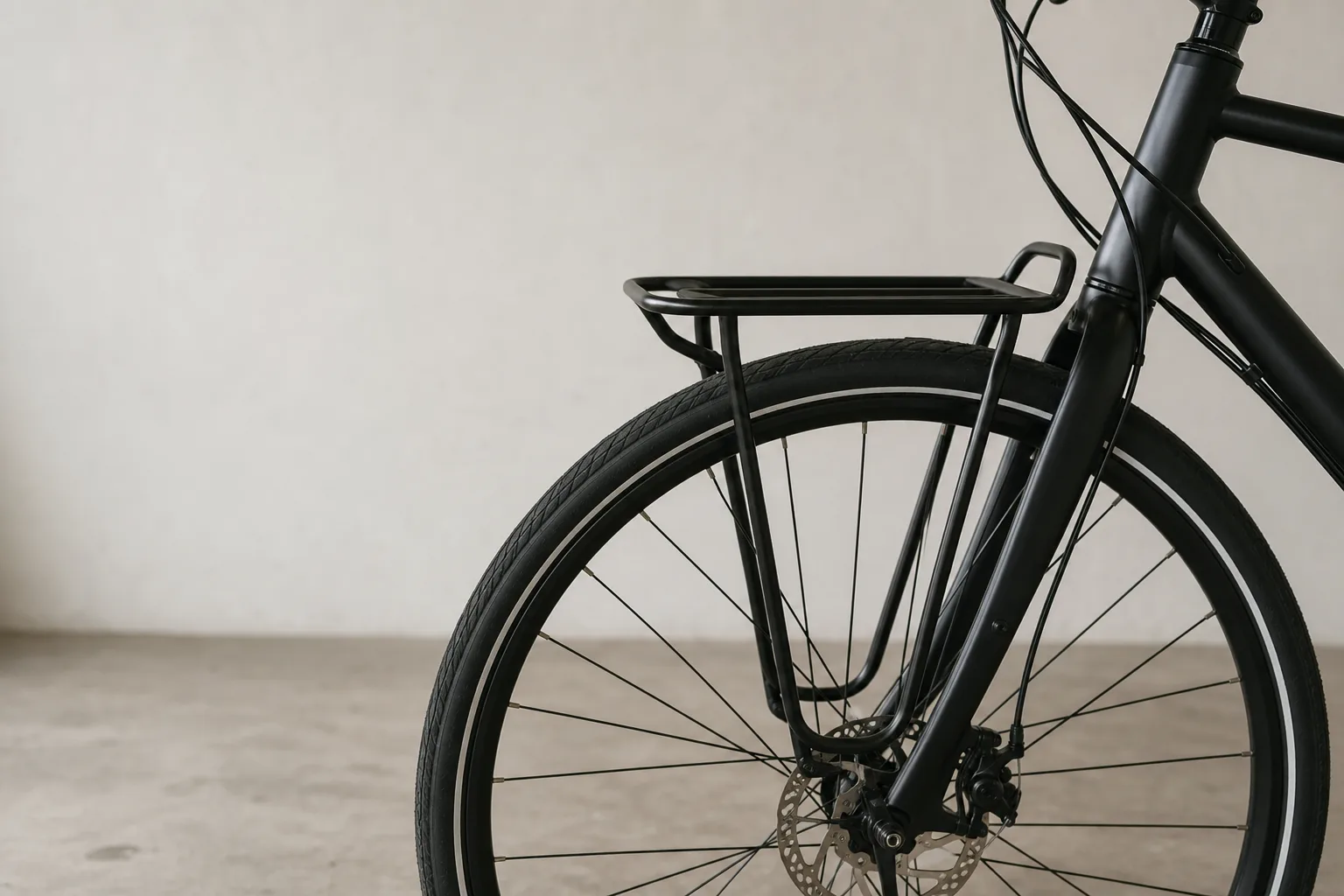
Hydraulic discs need less hand effort and stay consistent when wet and dirty. Mechanical discs are easier to fix roadside with a hex key and cost less to replace.
Price tiers in bicycles are not smooth. Money buys different things at different points on the scale, and the gap between $400 and $800 changes far more about how a bike rides than the gap between $1,500 and $2,000 does. The parts that matter for a five-mile commute and a Saturday on a paved path are unglamorous: wheels, brakes, tires, and the bearings you never see. Sales copy tends to lead with the ones that photograph well. Here is what actually moves, tier by tier, and what a careful reader looks for on the spec sheet.
At this price you get a steel or aluminum frame, mechanical disc brakes or linear-pull rim brakes, a seven or eight speed rear cluster, and wheels built with unbranded hubs on straight-gauge spokes. It will carry you to work. What it will not do is stay quiet about it. The wheels are the heaviest single component and the first thing you feel, because rotating weight shows up every time you leave a light. Bearings are often loose ball rather than cartridge, serviceable but needing attention sooner. The Consumer Product Safety Commission sets the federal requirements these bikes are built to meet, so the baseline is a real one, not a guess.
The honest strength of a $400 bike is that its cheap parts are standard parts. Eight-speed chains, threaded bottom brackets, and quick-release hubs are stocked everywhere and cost little to replace. A careful reader checks whether the frame has rack and fender mounts, because that single detail decides whether the bike grows into a commuter or stays a fair-weather one. Tire clearance matters just as much: room for a 38 or 40mm tire turns a harsh ride into a comfortable one for about thirty dollars.
This is where the money does the most visible work. Hydraulic disc brakes appear as standard rather than as an upgrade, and the difference is not stopping power so much as effort and consistency. One finger holds a hydraulic lever in the rain; mechanical discs need a firmer pull and a cable that stretches and grits up over a winter. Wheels move to cartridge-bearing hubs, double-wall rims, and often machine-built but properly tensioned spokes. Drivetrains typically go to nine or ten speeds with a single front ring, which removes the front derailleur, the part most riders never adjusted correctly anyway.
Frame quality changes too, in ways the marketing rarely names. Aluminum tubing at this tier is more often butted, meaning thinner in the middle of each tube, which drops weight without dropping strength. Welds are tidier and cable routing is thought through. A careful reader looks past the frame material argument entirely and asks about the fork: a straight-blade aluminum fork transmits everything, while a carbon or shaped fork takes the edge off expansion joints. On a paved path ridden for two hours, that difference outlasts any weight saving.
At $1,500 the components get lighter and the shifting gets crisper, but the functional gap narrows sharply. A twelve-speed drivetrain gives wider range than a ten-speed, which genuinely helps on hills, and the wheels may be lighter with better sealing against water. Brakes gain adjustable lever reach and better pad material. Beyond that, much of what separates this tier from the one below is finish quality, internal routing, and a groupset name that carries prestige inside the sport and means little on a bike path. Belt drives and internally geared hubs also appear here, and for a daily commuter with no interest in maintenance, that is real value rather than decoration.
The diminishing return is specific and easy to name. Below roughly $800, spending fixes things that annoy you weekly: soft brakes, dead wheels, gearing that runs out on a bridge. Above it, spending buys grams, shifting precision measured in fractions of a second, and durability you may never reach. A rider covering forty miles a week reaches the ceiling of useful spending well before a rider covering two hundred does.
Spec sheets hide the wheels. Manufacturers name the derailleur and the shifter because those have recognizable brands, then write "alloy double wall" for the rims and say nothing about hubs, spoke count, or weight. Ask. A shop that builds its own wheel upgrades will tell you honestly which stock wheelset is worth keeping. Check the tires by name and width, check whether the seatpost is a common diameter, and check whether the brake rotors use a standard mount. Those four answers predict the cost of living with the bike more reliably than the price tag does.
The most useful test is a physical one. Ride the $800 bike immediately after the $400 bike and the difference announces itself in the first block. Ride the $1,500 bike after the $800 and you will need to concentrate to find it, which tells you exactly where your money stops working.